 blog
Why Is My Zillow Estimate Different From a Home Appraisal?
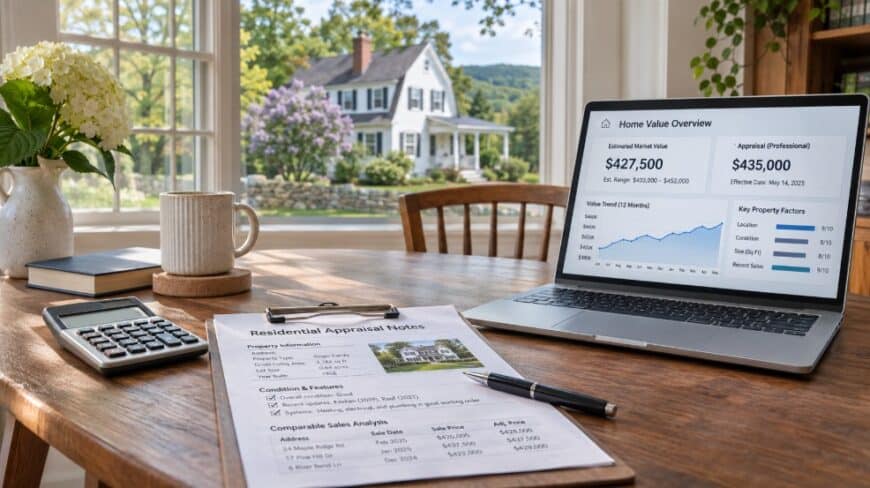
Home Value Estimates | Springfield & Western Massachusetts Why Your Zillow Zestimate May Differ From a Professional Home Appraisal If you've searched for the value of your home online, you've probably encountered Zillow's Zestimate. It's quick, free, and convenient. But what happens when Zillow estimates your property at $425,000 and a professional appraisal indicates a different value? The answer often involves how the property was analyzed, what information was available, and which sales are truly competitive with your home. A Zestimate is an automated estimate of market value. A professional appraisal is a property-specific valuation developed for an identified purpose, effective date, and scope of work. Explore Independent Appraisals → Call (413) 233-4597 Understanding Online Home Values Is Zillow Wrong About Your Home's Value? Not necessarily. Zillow can provide a useful starting point, but its Zestimate and an individual home appraisal are not interchangeable. Online valuation models analyze large amounts of real estate information to estimate property values. They can identify patterns in sales prices, neighborhood trends, and recorded property characteristics. An appraiser also relies on market data. However, the appraisal process focuses on the individual property, its characteristics, and the evidence most relevant to its competitive market. Differences can emerge when public records are incomplete, improvements are not documented, property condition varies, or comparable sales require closer examination. Online home value estimates and professional appraisals can differ because they rely on different information and valuation methods. Illustrative image. The Short Answer Your Zillow estimate may differ from an appraisal because the automated model and the appraiser do not necessarily have the same information or apply the same valuation analysis. Differences in living area, condition, renovations, neighborhood location, competitive market areas, and comparable sales can influence the result. Neither number should be evaluated without understanding how it was developed. In… Continue Reading
 blog
Is Your Massachusetts Property Tax Assessment Too High?
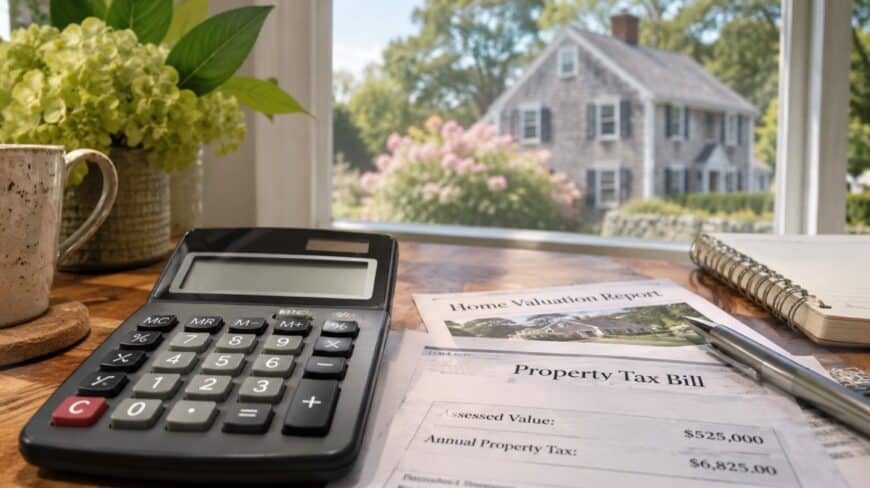
Massachusetts Property Taxes | 2026–2027 Homeowner Guide Your Property Tax Assessment May Not Reflect What You Think Your Home Is Worth Every year, Massachusetts homeowners receive property tax information showing the municipality's assessed value of their real estate. For some, the new assessment raises an immediate question: Is the town valuing my home too high? The answer is not always as simple as comparing the assessment with an online home value estimate, a neighbor's tax bill, or even a recent sale. Understanding the assessment date, the property's recorded characteristics, and the market evidence used to support value is the starting point for determining whether an assessment may be excessive. Explore Independent Appraisals → Call (413) 233-4597 Understanding Your Property Assessment Is Your Massachusetts Property Tax Assessment Too High? An assessment may be too high when the municipality's valuation exceeds the property's full and fair cash value as of the legally applicable assessment date. Massachusetts municipalities are required to assess real estate at its full and fair cash value. In practical terms, this is intended to reflect market value rather than an arbitrary percentage of a property's worth. Assessors use mass appraisal techniques to value large numbers of properties, using market sales, property characteristics, location, and other data. These systems provide a consistent framework for municipal assessments. However, individual property differences may not always be fully reflected, particularly when underlying property data is inaccurate or a home has unusual features. Understanding the relationship between your tax assessment and your property's market value is the first step when reviewing a Massachusetts property tax bill. The Short Answer A higher property assessment does not automatically mean your home has been overvalued. You need to examine the effective assessment date, the municipality's property record, and relevant real estate market evidence. If the town's assessment… Continue Reading
 blog
Why You Should Have Your Home Professionally Measured Before Listing It for Sale
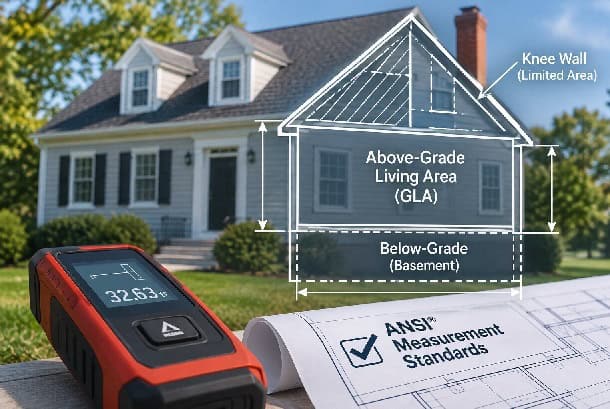
Residential Home Measurements | Western Massachusetts The Square Footage on Your Property Card May Not Tell the Whole Story Before listing a home for sale, most owners review their property assessment, an online home value estimate, or a previous real estate listing. One figure is often taken for granted: the home's square footage. Yet the number shown in public records may not represent the same type of living area that a residential appraiser will report in a mortgage appraisal. An independent home measurement before listing can help identify differences in reported living area, clarify how finished space is classified, and establish more realistic expectations before the home is marketed. Explore Home Measurement Services → (413) 233-4597 The Importance of Accurate Measurements Why Measure Your Home Before Putting It on the Market? A property's square footage is one of the most frequently used characteristics in residential real estate, but the source and classification of that figure matter. Homeowners commonly rely on their municipal property record card to determine the size of their home. Real estate professionals may also reference assessor information when preparing a listing. Those records serve an important purpose, but the reported area may have been derived from older building plans, exterior estimates, previous observations, or calculation methods that differ from modern appraisal measurement standards. In some cases, the number shown on a property card or transferred into an online real estate database can include multiple levels of finished space without clearly distinguishing above-grade living area from below-grade finished area. Other discrepancies may result from sloped ceilings, finished attics, additions, renovations, or inaccurate assumptions about the size of a home's upper floors. The Main Reason to Measure Before Selling A professional measurement provides a documented calculation of a home's physical area and helps distinguish finished above-grade space from below-grade,… Continue Reading
 blog
UAD 3.6 Launch: Are Appraisers Really Ready?
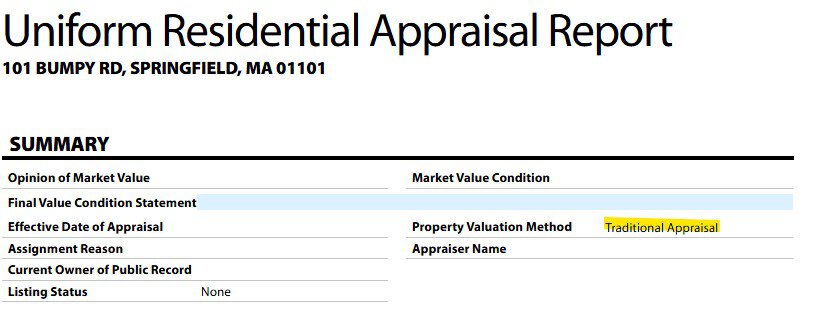
October 2026 | Residential Appraisal Industry UAD 3.6 Is Here. Are Appraisers Really Ready? The residential appraisal profession is approaching one of its most significant reporting changes in decades. On November 2, 2026, Fannie Mae and Freddie Mac's redesigned appraisal reporting framework reaches its scheduled implementation milestone. The new Uniform Appraisal Dataset, known as UAD 3.6, promises a more detailed, consistent, and transparent way to document residential real estate. Those objectives are worthwhile. But as the industry approaches the transition, an important question remains: Is the appraisal industry genuinely prepared, or are appraisers being asked to learn an unfinished workflow in real time? The answer involves more than understanding a new report. It involves technology, data collection, lender expectations, appraisal fees, and the time required to complete the work. From the perspective of a practicing residential appraiser in Western Massachusetts, the new reporting structure offers real advantages, but the transition is unlikely to be entirely smooth. In This Article When UAD 3.6 takes effect What changes in the report? Are appraisers ready? Software and beta testing What Realtors should expect What homeowners should know Costs and consequences What happens next? Common questions 01 / The Transition What Is UAD 3.6 and When Does It Become Mandatory? UAD 3.6 is a redesigned framework for collecting, organizing, and reporting residential appraisal information for applicable mortgage lending assignments. Developed by Fannie Mae and Freddie Mac, the initiative replaces the traditional collection of standardized residential appraisal forms with a flexible, data-driven Uniform Residential Appraisal Report (URAR). Instead of treating every property through essentially the same fixed form layout, the new report adapts its data requirements to the property type, assignment characteristics, and applicable reporting requirements. Important Implementation Dates September 8, 2025 Limited production began, permitting approved participants to submit UAD 3.6 reports. January 26,… Continue Reading
 blog
How Much Does a Home Appraisal Cost in Massachusetts? (2026 Guide)
Western Massachusetts | 2026 Pricing Guide Understanding Home Appraisal Costs in Massachusetts Whether you're settling an estate, navigating a divorce, or simply determining what your home is worth, understanding appraisal fees is an important first step. Typical Residential Appraisal $450–$850 General range for conventional single-family assignments in the Greater Springfield area. Fees vary by property and assignment. Pilgrim Colonial Appraisal Services provides independent residential valuations throughout Springfield, Chicopee, East Longmeadow, Longmeadow, Wilbraham, and surrounding Western Massachusetts communities. Request an Appraisal Quote → In This Guide Average appraisal cost What affects pricing? Appraisal types and fees Is an appraisal worth it? Timing and payment Our service area Common questions 01 / Pricing Overview What Is the Average Cost of a Home Appraisal in Massachusetts? A typical single-family home appraisal in the Greater Springfield area may cost approximately $450 to $850. There is no universally established appraisal fee in Massachusetts. Appraisal fees are generally determined by the property characteristics, intended use of the appraisal, complexity of the assignment, and amount of research required. For example, a conventional ranch or colonial in Springfield may involve a relatively straightforward analysis. A custom residence with extensive improvements or a rural property with limited comparable sales may require considerably more work. Keep in mind: The $450–$850 range is a general pricing reference, not a fixed fee schedule or guaranteed quote. Contact the appraiser with the property address and intended use to receive an assignment-specific fee. Get a Property-Specific Quote → 02 / Cost Factors Five Factors That Affect Home Appraisal Fees Appraisal fees reflect the time and research necessary to develop a credible and properly supported opinion of value. The following characteristics commonly influence an assignment's complexity. 1 Property Type and Size A typical single-family home may require less analysis than a custom residence, two-family property,… Continue Reading